

Prompt Emergency HVAC Replacement in Hampton Township, PA
Restore indoor comfort when essential heating or cooling equipment stops working. Climate Systems provides emergency HVAC replacement in Hampton Township, PA with careful system evaluation, appropriate equipment selection, and professional installation. Request urgent HVAC service today!
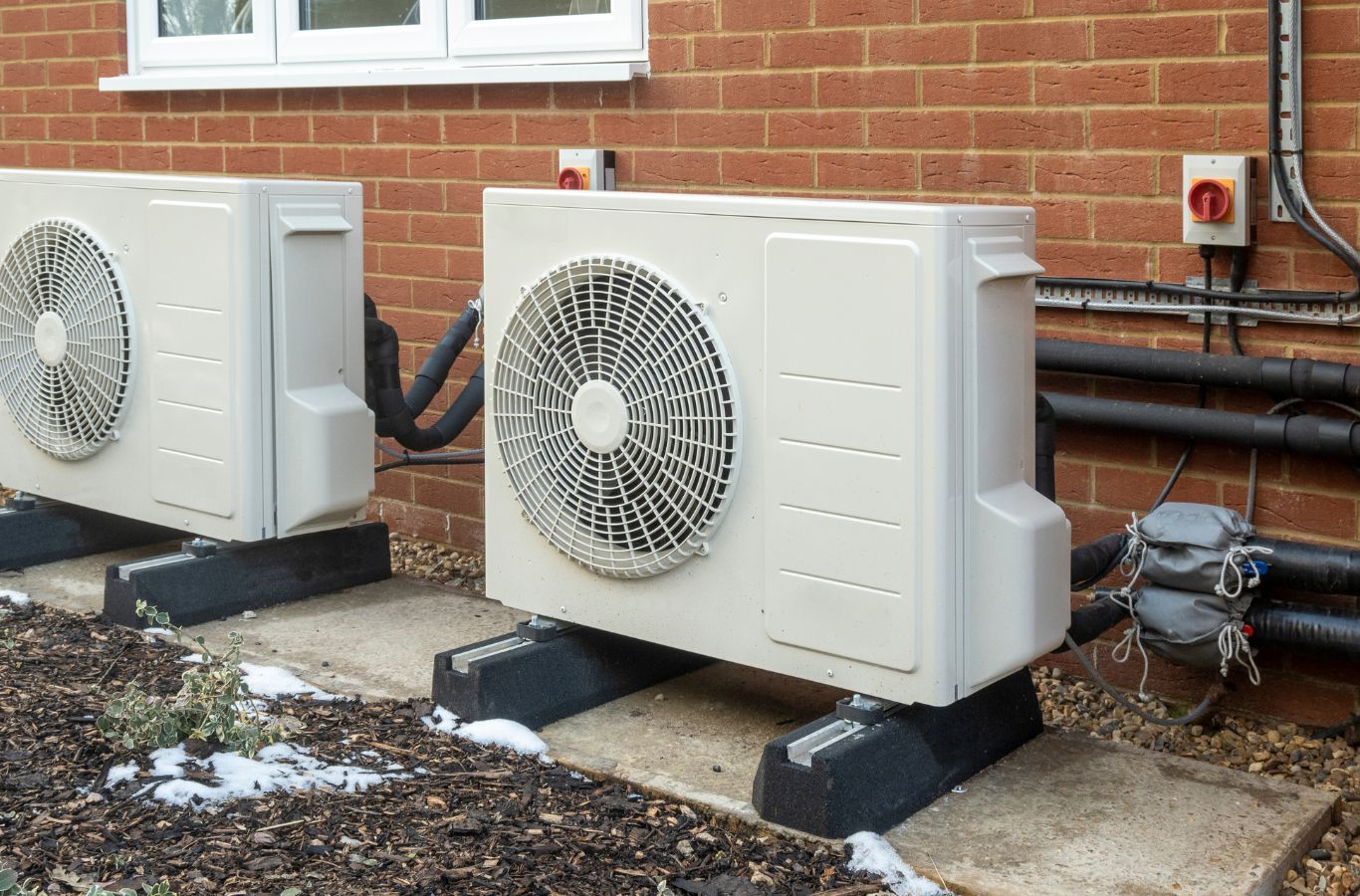
Significant Advantages of Emergency HVAC Replacement in Hampton Township, PA for Reliable Comfort
- Assessment Before Replacement Begins: A sudden HVAC failure should be evaluated before new equipment is selected. Climate Systems reviews system condition, operating problems, and repair feasibility to determine whether replacement is an appropriate solution for the property.
- Support for Unexpected Comfort Loss: Heating and cooling failures can disrupt sleep, work, family routines, and daily activities. Emergency HVAC replacement provides a practical next step when seriously damaged equipment can no longer be restored to dependable operation through an appropriate repair.
- Replacement Planned Around Building Needs: Detached homes, townhomes, rental properties, and light-commercial spaces can require different HVAC configurations. Proper planning considers existing equipment, airflow requirements, building layout, and comfort demands before the replacement system is installed.
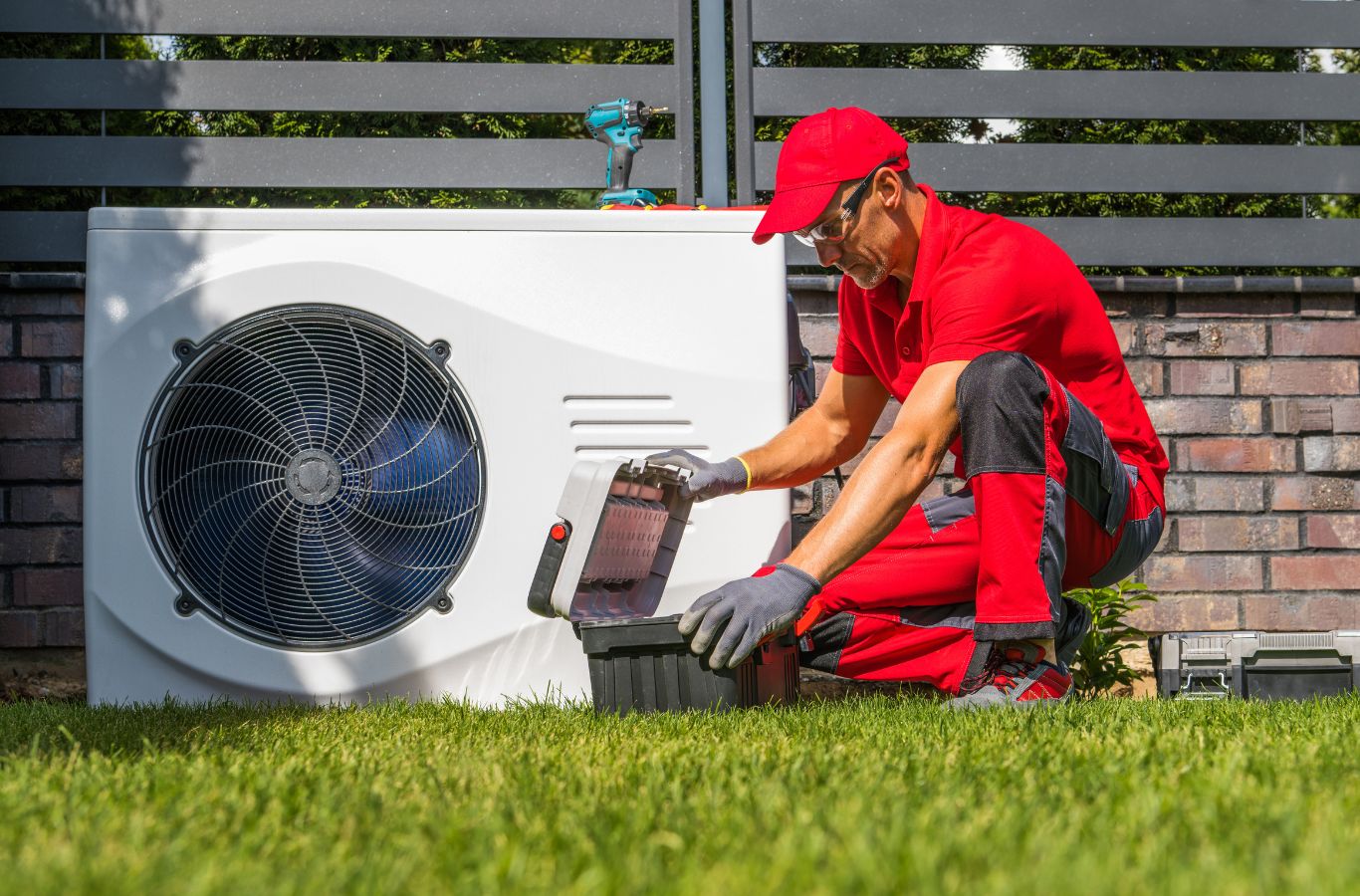
What Makes Prompt Emergency HVAC Replacement in Hampton Township, PA Important During a System Failure?
- Seasonal Conditions Can Increase the Urgency: Losing reliable heat during colder Pennsylvania conditions or cooling during warmer periods can quickly affect everyday comfort. Emergency HVAC replacement in Hampton Township, PA offers a path toward restored climate control when existing equipment is no longer reasonably repairable.
- Persistent Breakdowns Can Signal Equipment Decline: Repeated shutdowns, uneven temperatures, weak airflow, or frequent service needs may indicate that an aging system deserves closer evaluation. Replacement can become a practical consideration when continued repairs no longer provide dependable performance.
- Proper Installation Supports Reliable Operation: Emergency replacement involves more than removing failed equipment and installing another unit. System requirements, airflow, installation conditions, and property needs should be reviewed carefully so new equipment can deliver dependable heating or cooling after installation.
Frequently Asked Questions for Emergency HVAC Replacement in Hampton Township, PA
1. When should I consider emergency HVAC replacement instead of another repair in Hampton Township, PA?
Replacement may be appropriate when HVAC equipment has major damage, recurring failures, declining performance, or repair limitations that make continued service impractical. Climate Systems evaluates the system first so Hampton Township property owners can understand whether repair remains reasonable or replacement better matches the equipment’s condition.
2. What happens if my HVAC system stops working during severe winter weather in Hampton Township, PA?
A heating failure during cold weather can quickly affect indoor comfort. Climate Systems provides 24-hour emergency HVAC service and can evaluate the failed equipment to determine the appropriate response. If repair is no longer practical, emergency replacement can be considered based on the property’s system and comfort requirements.
3. Can emergency HVAC replacement be planned for larger homes or light-commercial properties in Hampton Township, PA?
Yes. Larger homes and light-commercial properties can have different equipment capacities, airflow demands, zoning considerations, and installation conditions. Climate Systems considers these building-specific factors when planning emergency HVAC replacement so equipment recommendations reflect the property’s actual heating and cooling requirements.

Climate Systems Heating and Cooling
11584 Perry Hwy, Wexford, PA 15090
Phone: 724-935-3900
Email: climatesystems@gmail.com
PA License #: 044507